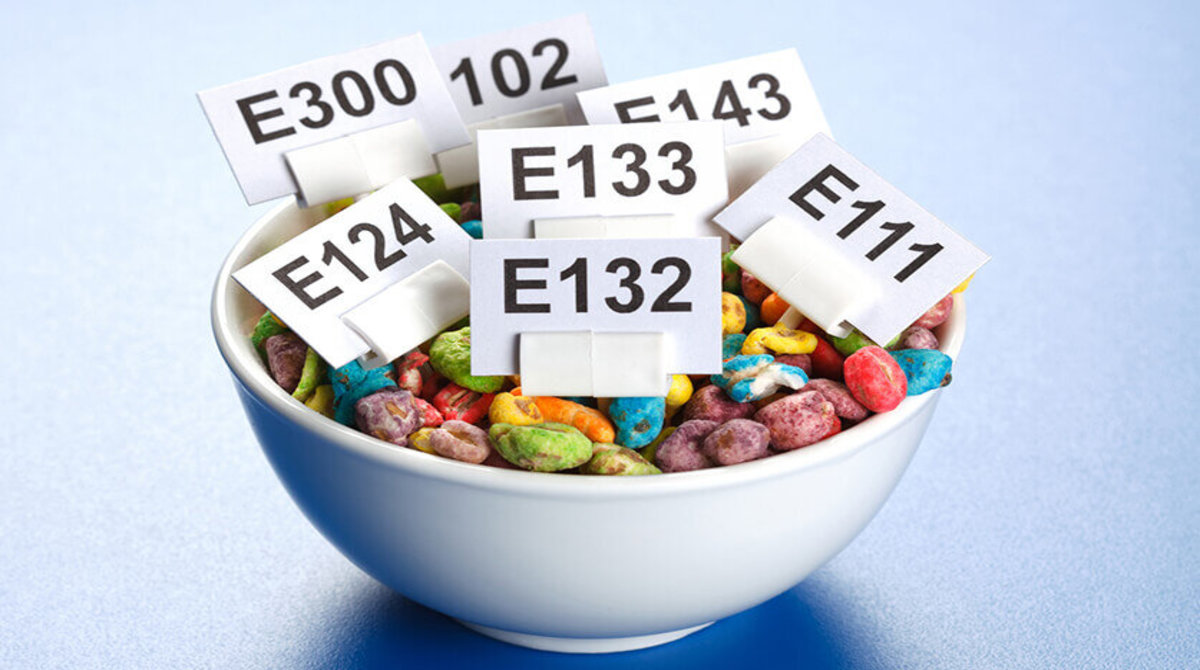
Industrial additives may not always be visible in the final product, but they play a critical role in how materials behave, process, and perform. From plastics and rubber to coatings, textiles, laminates, and packaging – additives help manufacturers achieve consistency, stability, and efficiency.
In this article, we’ll break down what industrial additives are, why they are used, and how they impact product quality and production economics in real-world applications.

Modern manufacturing relies on carefully engineered additive packages for performance and reliability.
What Are Industrial Additives?
Industrial additives are speciality chemicals that are blended in small proportions into base materials such as polymers, resins, oils, or coatings. Their function is to modify, improve, or protect the performance of the final product during processing as well as in end-use.
During Processing
Additives help improve melt flow, reduce sticking, control foam, enhance dispersion, and stabilize material at high temperatures or shear.
In End-Use Performance
They improve gloss, surface feel, scratch resistance, anti-blocking, stability against heat, UV, oxidation, and moisture – extending product life.
Why Are Additives So Important?
Without additives, many industrial materials would either be difficult to process, unstable in storage, or unable to meet the expectations of end customers. A precise additive package helps manufacturers:
- • Reduce manufacturing defects and rejections
- • Achieve consistent quality across large batch sizes
- • Improve machine productivity and reduce downtime
- • Enhance appearance – better gloss, smoothness, and finish
- • Meet regulatory and performance standards over product lifetime
Common Types of Industrial Additives
1. Processing Aids
These additives improve melt flow, reduce die build-up, and help polymers process smoothly at high speeds – important in extrusion, molding, and film blowing.
2. Release Agents
Used to prevent sticking to molds, rollers, or metal surfaces – ensuring clean demolding and better surface finish in laminates and molded parts.
3. Defoamers / Antifoams
Control unwanted foam in coatings, emulsions, adhesives, and process tanks – ensuring smooth application and accurate dosing.
4. Wetting & Dispersing Agents
Help pigments, fillers, and other solids distribute evenly – critical for uniform colour, opacity, and performance in paints and coatings.
5. Stabilizers
Protect materials from heat, light, oxygen, and degradation over time – useful in polymers, lubricants, oils, and industrial fluids.
6. Surface Modifiers
Improve properties like gloss, slip, anti-blocking, anti-scratch, and feel, especially in films, laminates, and high-end finishing applications.


Additives are carefully tested in lab and field conditions before being adopted in production.
How Do Manufacturers Choose the Right Additive?
The correct additive depends on the base chemistry, process conditions, regulatory requirements, and the performance profile expected from the final product.
- Compatibility with the base polymer / resin / system
- Processing temperature, shear, and cycle time
- Target properties – gloss, slip, anti-blocking, stability, etc.
- Regulatory or certification requirements (food contact, low VOC, etc.)
- Cost-performance balance for commercial feasibility
A good additive supplier does more than just sell products – they help you choose the right chemistry, support trials, and optimize dosage to match your process.
Key Takeaways
Invisible but Essential
Additives may be a small percentage by weight, but they have a huge impact on quality and reliability.
Process + Performance
The right additive improves both process efficiency and product performance over its lifecycle.
Right Partner Matters
Working with a technically strong supplier helps you reduce risk and accelerate product development.
Need Help Selecting the Right Additive?
Share your application, base material, and process details – our team will help you with suitable additive recommendations and starting dosage ranges.